Some celebrity stories become less believable the more detail you add. Dolly Parton’s life worked the other way: the details were astonishing, and somehow they all fit the same woman.
After Parton died on August 25, 2026, at age 80, the tributes celebrated an entertainer whose warmth, wit and business instincts reached far beyond the stage. These five true stories show why her legacy was so difficult to summarize.
We will start with No. 5 and reveal one fact at a time. The final story explains the unlikely origin of one of entertainment’s most recognizable images.
#5 — She wrote close to 3,000 songs
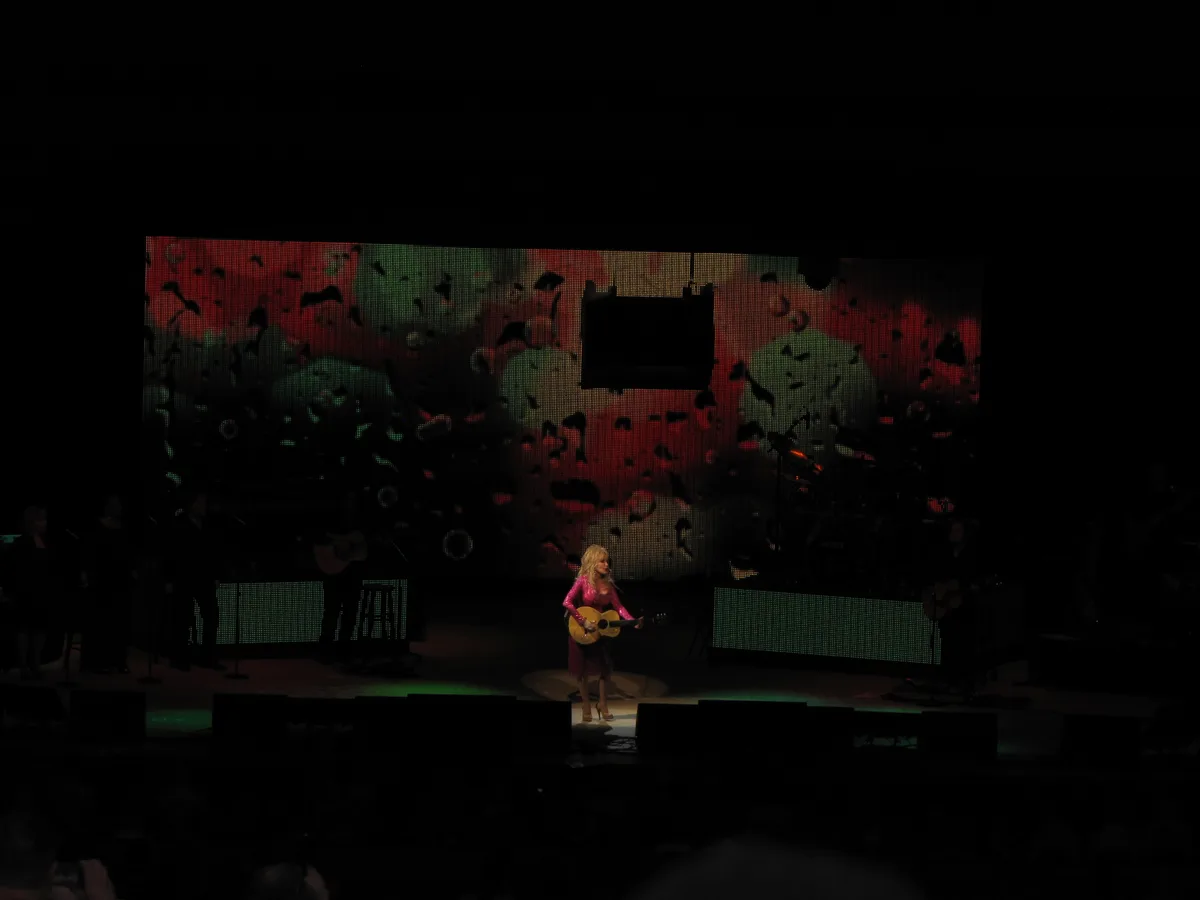
Parton did not simply record country standards. She built her career by writing—constantly. The Recording Academy cited her estimate that she had written close to 3,000 songs, hundreds of which were recorded by her or other artists.
That catalog included “Jolene,” “Coat of Many Colors,” “9 to 5” and “I Will Always Love You.” At one song per day, working through 3,000 titles would take more than eight years.
Songwriting was not a sideline she picked up after becoming famous. It was the foundation. Long before the wigs and rhinestones became visual shorthand for Dolly, she understood that the work—and ownership of that work—mattered.
#4 — She lost a Dolly Parton look-alike contest
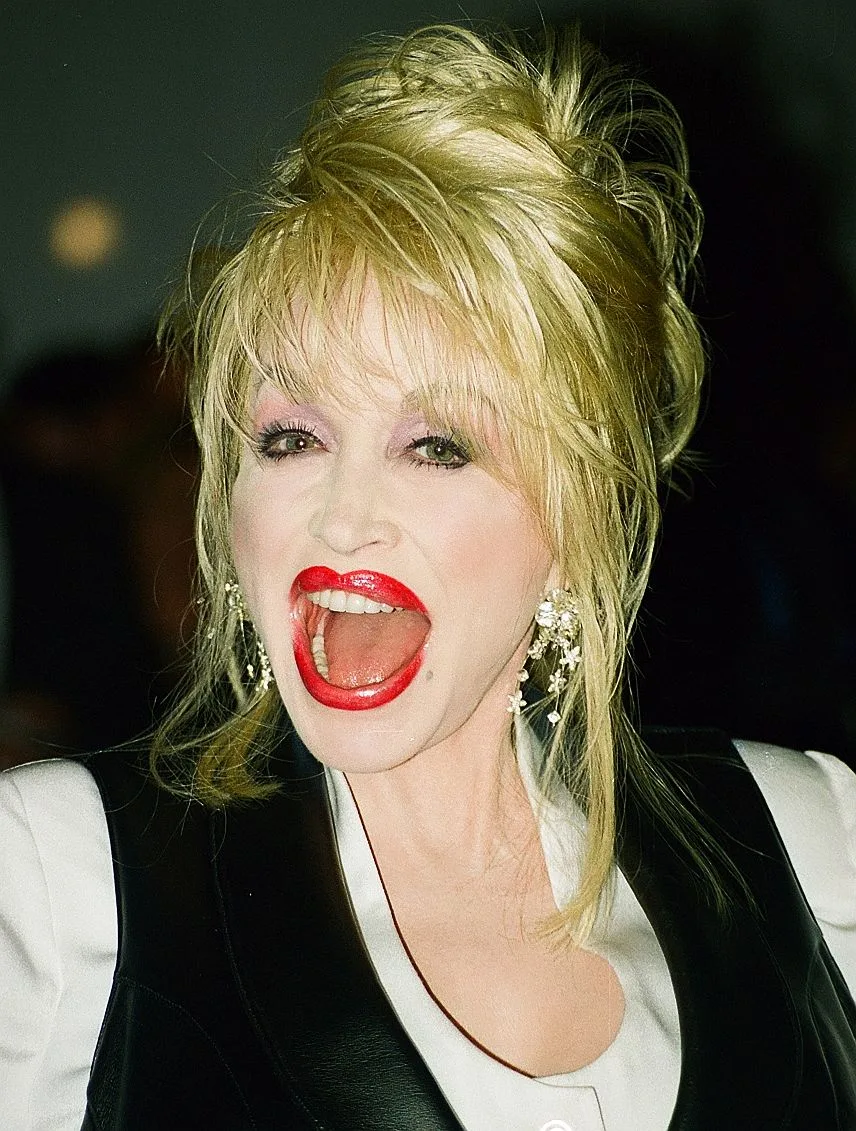
This story sounds designed for a late-night monologue. Parton once secretly entered a Dolly Parton look-alike contest at a Los Angeles bar where drag performers were dressed as celebrities.
She exaggerated the familiar ingredients—bigger hair, heavier makeup and a more dramatic beauty mark—then joined the lineup without announcing who she was. Nobody recognized her.
When the crowd judged the contestants, Parton said she received the least applause. The real Dolly had lost a contest to see who looked most like Dolly.
She told the story with delight rather than embarrassment. That reaction revealed something essential: she knew the image was theatrical, and she was always in on the joke.
#3 — She turned down Elvis Presley
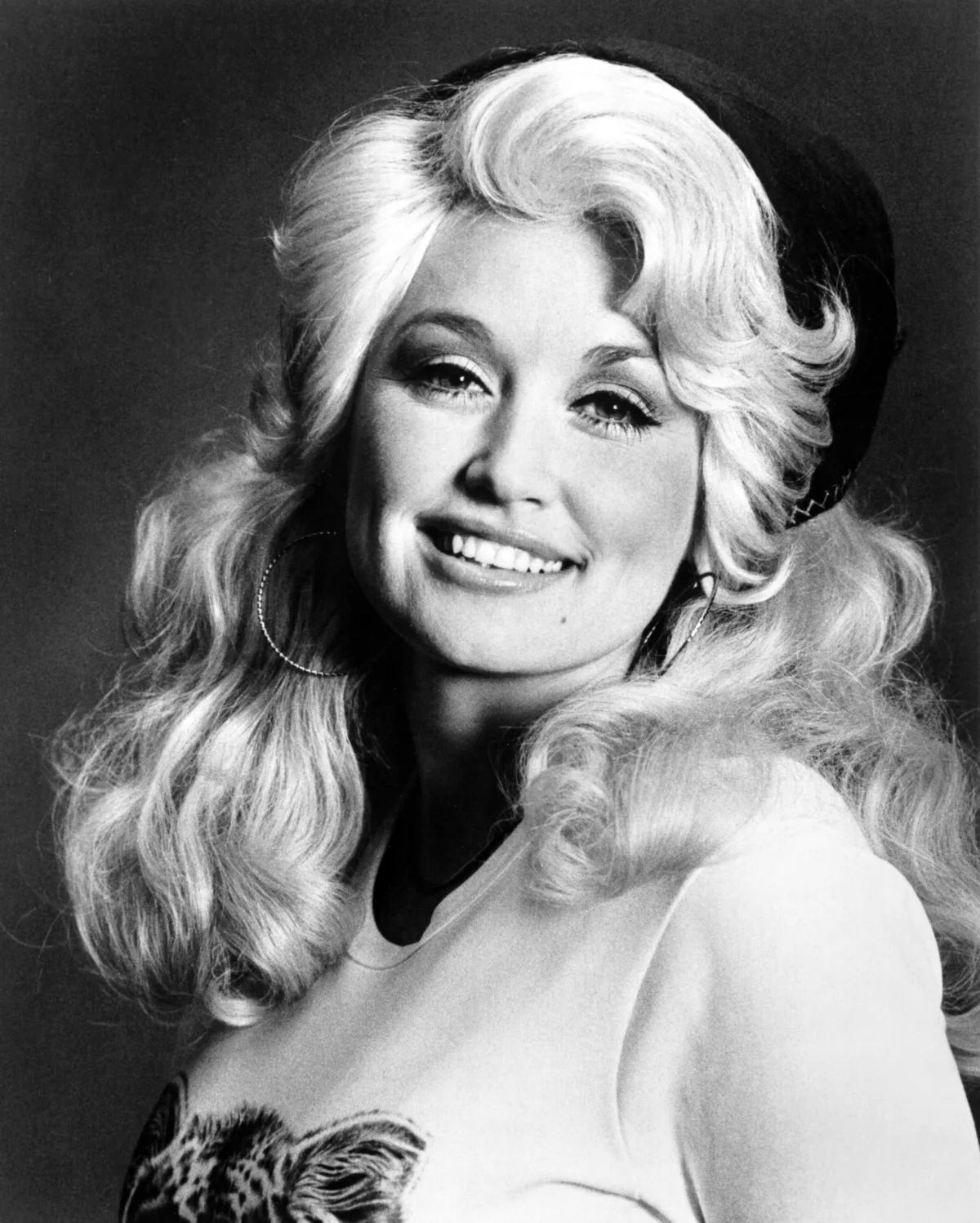
When Parton learned that Elvis Presley wanted to record “I Will Always Love You,” she was thrilled. Then Colonel Tom Parker, Presley’s manager, said the deal required Parton to surrender half of the song’s publishing rights.
Dolly refused the deal.
She later said she cried because she badly wanted to hear Elvis sing the song. But giving up half the publishing would have meant surrendering a huge piece of the song she wrote.
So she kept it.
Years later, the value of that decision became impossible to miss. Whitney Houston recorded “I Will Always Love You” for The Bodyguard, and her version became one of the biggest songs in the world.
Because Dolly still owned the publishing rights, she continued earning from the song as Houston’s recording became a worldwide phenomenon.
That is what makes the story so remarkable: Dolly was willing to tell Elvis Presley no to keep control of her own work. Decades later, that decision paid off on an enormous scale.
#2 — Her Imagination Library mailed more than 332 million books
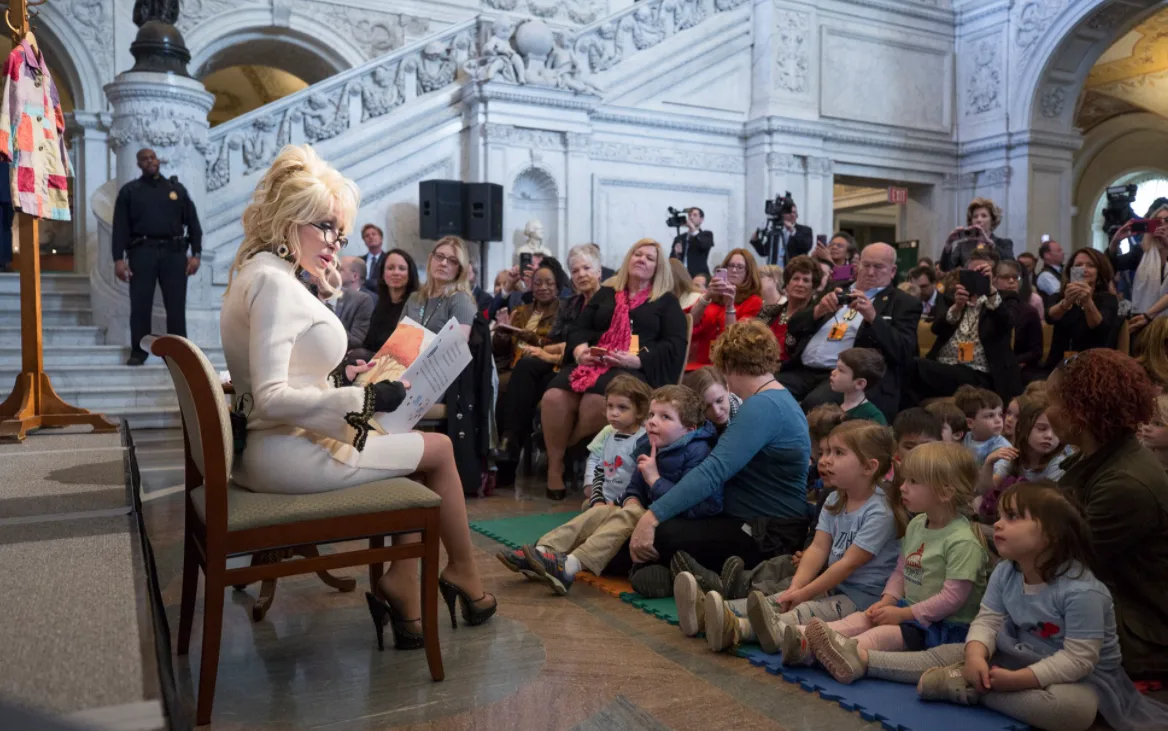
Parton founded the Imagination Library in 1995 in honor of her father, Robert Lee Parton, who could not read or write. The idea was simple: mail a free, age-appropriate book every month to enrolled children from birth to age five.
What began in her home county in East Tennessee expanded across the United States, Canada, the United Kingdom, Australia and Ireland. The program’s official counter showed 332,411,218 books mailed on September 14, 2026.
There was no poverty test for a child to participate where the program was available. Local partners made the program possible, and millions of books continued arriving in homes every month.
Parton said her father was especially proud of the project. Children knew one of the world’s most famous singers by another title: “the Book Lady.”
#1 — Her famous look was inspired by her hometown’s “town tramp”

Parton did not build her signature image around a polished Hollywood star. She traced it to a woman she remembered from her childhood in rural Tennessee.
Adults dismissed the woman as the “town tramp.” Young Dolly saw something completely different: bright makeup, high heels, blonde hair and the most glamorous clothes she had ever encountered.
Parton grew up poor in a family of 12 children. The exaggerated look represented a world of beauty and abundance that seemed far away—so she created her own version and kept turning up the volume.
When people later told her the inspiration was “trash,” Parton’s response was effectively that this was exactly how she wanted to look. She took a figure her community judged and found beauty, confidence and possibility instead.
That choice became more than a costume. It was a philosophy: decide who you are, understand the joke and never let someone else’s idea of good taste make you smaller.
All five remarkable stories
- She wrote close to 3,000 songs
- She lost a Dolly Parton look-alike contest
- She turned down Elvis Presley to protect her publishing
- Her Imagination Library mailed more than 332 million books
- Her famous look was inspired by her hometown’s “town tramp”
A legacy bigger than the image
Each story points to the same combination: relentless work, a sharp sense of ownership, generosity on a massive scale and the confidence to turn other people’s judgments into fuel.
Which story changed how you saw Dolly Parton’s legacy?
Sources
- Dolly Parton official site: announcement of her death
- Recording Academy: songs Dolly Parton wrote
- ABC News: Parton on the look-alike contest
- Library of Congress: “I Will Always Love You” essay
- Dolly Parton’s Imagination Library: official program and live counter
- CBS News: 60 Minutes archive on Parton’s look