A short flight. A familiar route. A night that looked manageable. In each of these stories, something ordinary changed in minutes—and music or sports fans woke up to news they could barely accept.
These five helicopter tragedies are arranged by the size of their public shock and the way their stories still echo. This is not a ranking of human lives or grief. Every person aboard mattered, including pilots, family members, friends, and colleagues whose names were not always placed in the biggest headline.
This article avoids graphic images and invented final moments. Cause descriptions come from official NTSB or UK AAIB findings. The portraits are licensed archival photographs; the spoiler-free helicopter hero is an AI-created editorial image, not a photograph of any accident aircraft.
#5: Troy Gentry — the concert flight that lasted only minutes
September 8, 2017 • Medford, New Jersey • 2 people killed
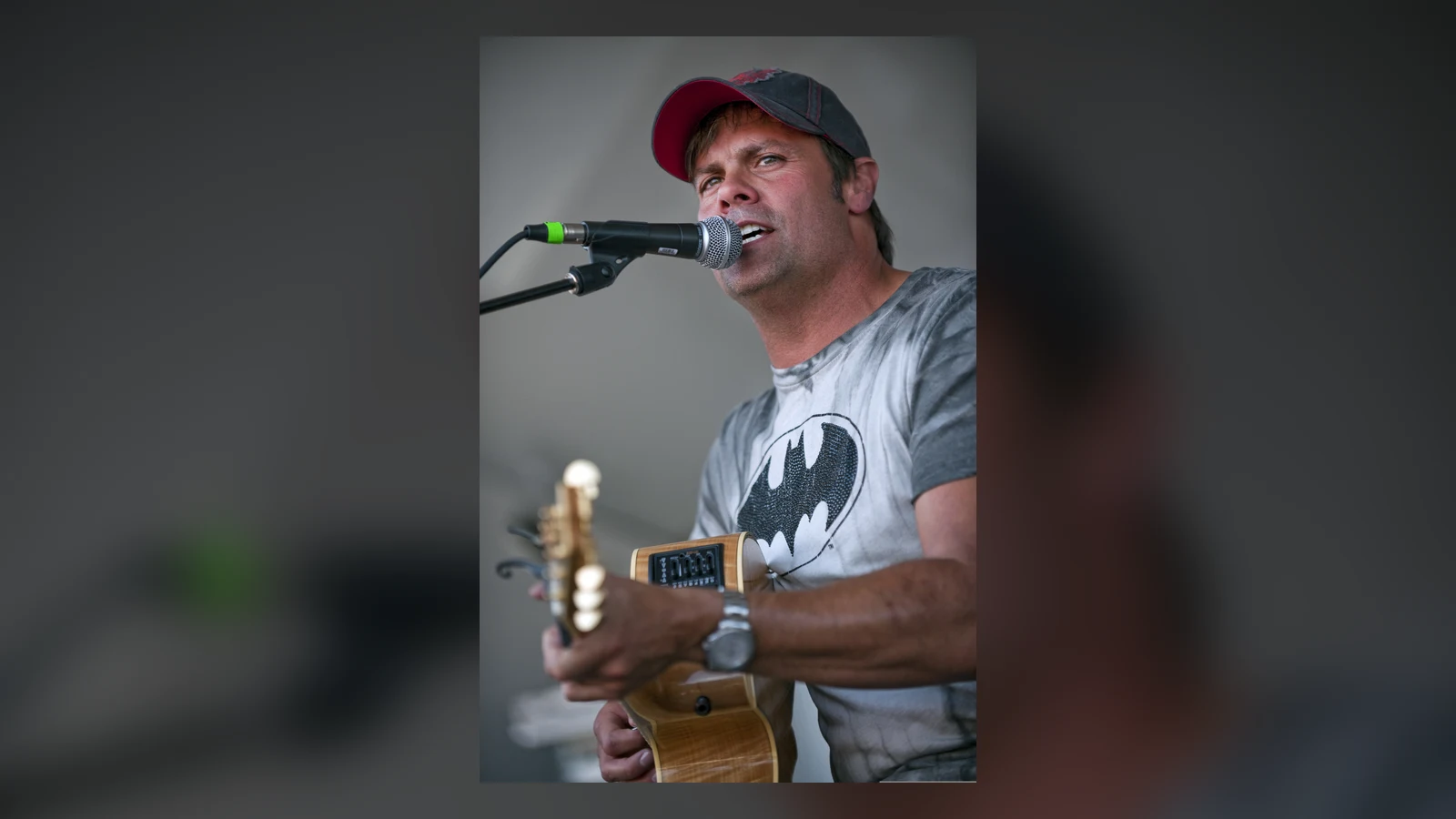
Troy Gentry was scheduled to perform with Montgomery Gentry at the Flying W Airport that evening. Before the show, he accepted a short helicopter ride around the traffic pattern. It was supposed to be a small extra moment in a busy day.
But several minutes after takeoff, pilot James Evan Robinson reported that turning the throttle was no longer changing the engine speed. Other helicopter instructors joined him over the radio and talked through landing choices. Robinson chose to shut down the engine and try an autorotation, a method that lets air keep the rotor turning during a powerless descent.
Therefore, rotor speed became everything. The NTSB found that the pilot began the maneuver too early and could not maintain enough rotor rpm. The helicopter fell short of the runway, killing both men.
The investigation also found a mechanical problem behind the emergency: maintenance personnel had not properly rigged a throttle-control part, allowing it to separate in flight. That left the pilot unable to control engine rpm in the first place. It is a hard chain to read because the ride began as something spontaneous and joyful—and the concert never happened.
#4: Colin McRae — a champion, his son, and a flight home
September 15, 2007 • Lanark, Scotland • 4 people killed
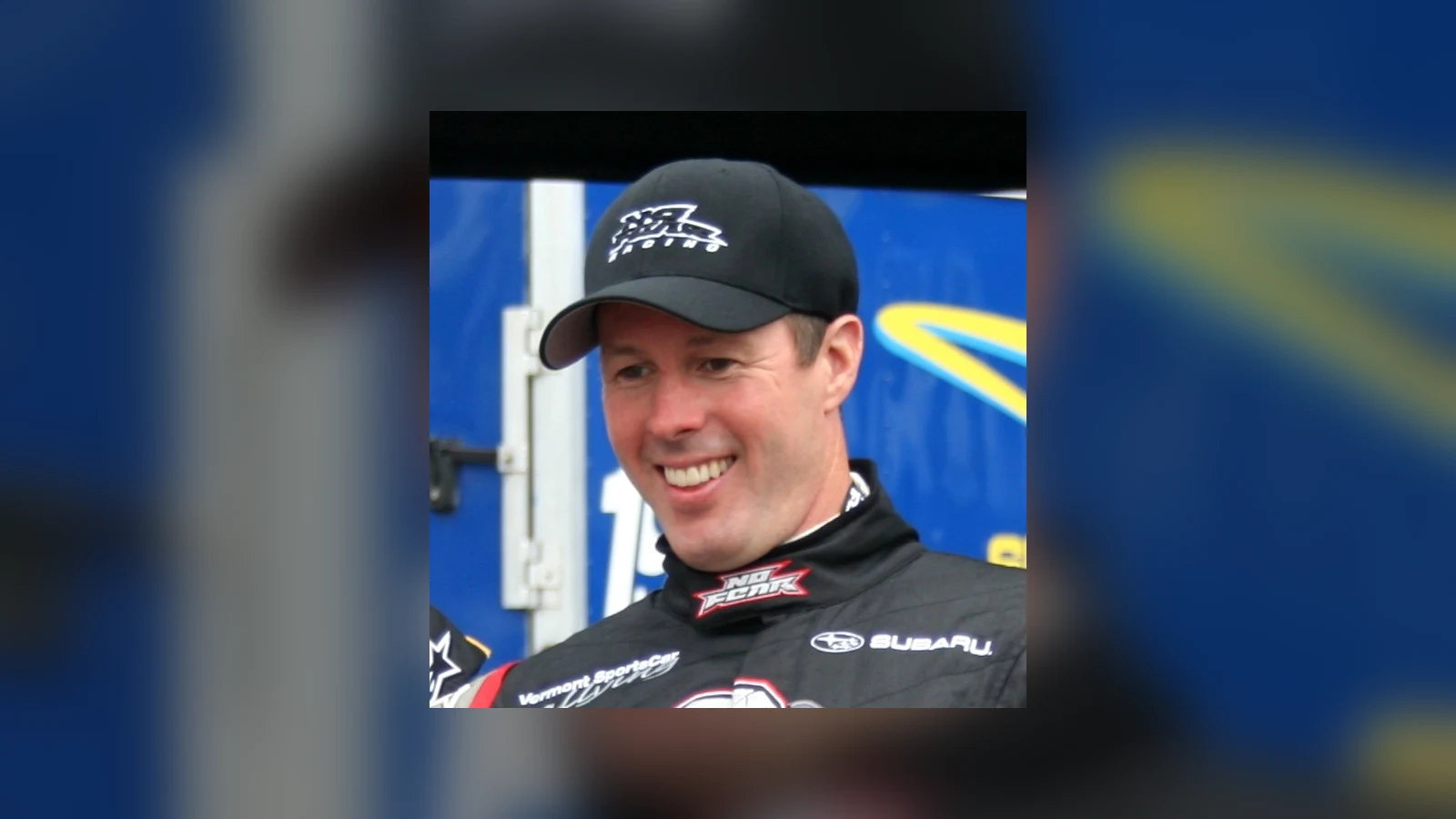
Colin McRae drove rally cars as if the edge of control were a place he understood. In 1995, he became the first Scottish driver to win the World Rally Championship. Fans knew the name from roaring forest stages, famous Subaru cars, and later from a hugely popular video-game series.
But this story did not happen on a rally course. McRae was flying his Eurocopter near his family home with three passengers aboard, including his five-year-old son, Johnny. The flight had only just begun when the helicopter entered a wooded valley at high speed and low height.
The UK Air Accidents Investigation Branch found no clear pre-impact mechanical failure. The engine was producing power. Investigators said the exact cause could not be proved, but the evidence more likely pointed to an attempted low-level turn that moved away from the intended path. Handling trouble, a bad judgment, distraction, or spatial disorientation could have played a part.
There were signs that a recovery had started. But there was not enough height left to finish it. McRae, his son, six-year-old Ben Porcelli, and family friend Graeme Duncan were killed. For rally fans, a hero associated with speed was suddenly gone in a quiet valley close to home.
#3: Stevie Ray Vaughan — the night the blues lost its brightest guitar
August 27, 1990 • near East Troy, Wisconsin • 5 people killed
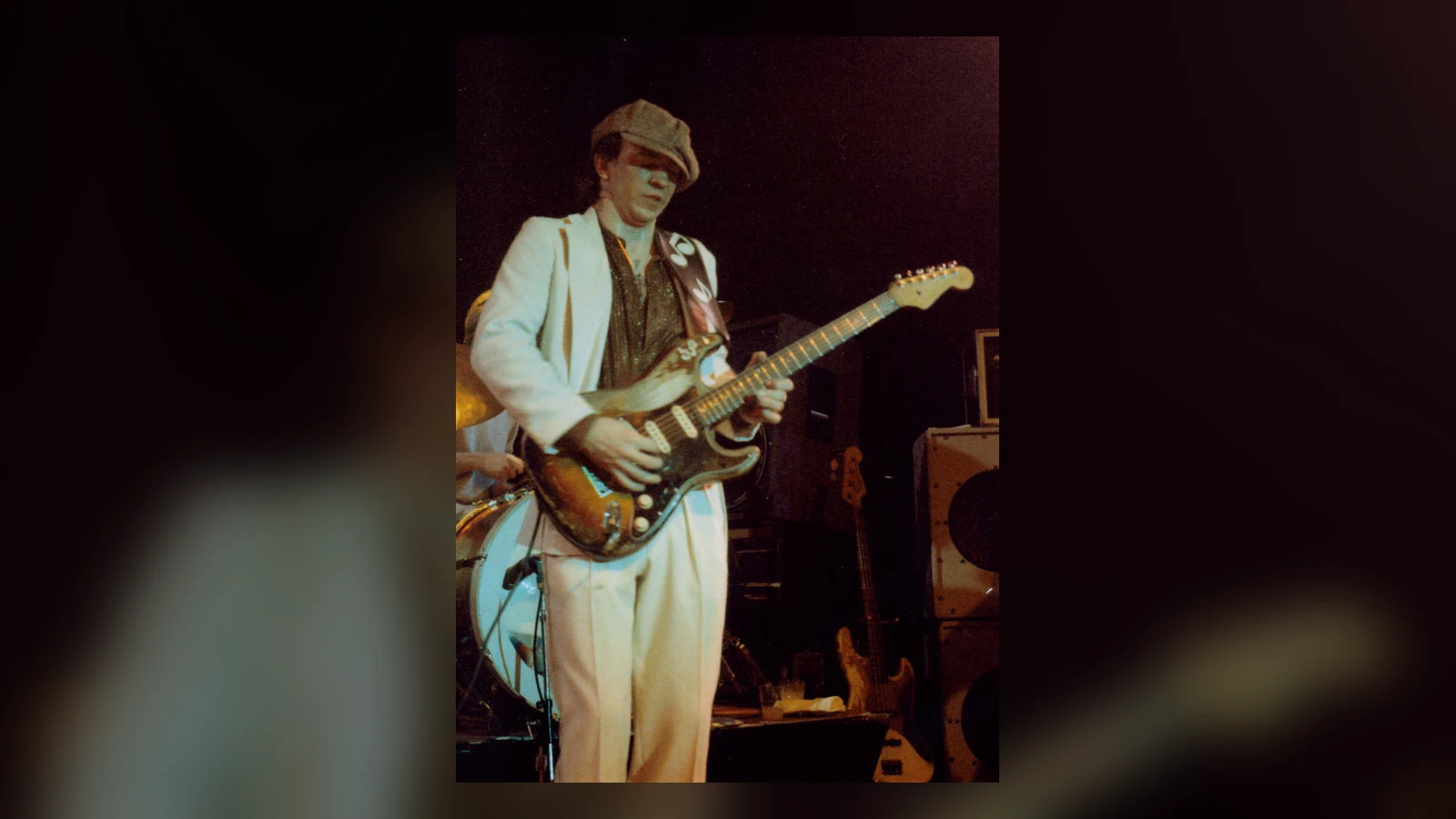
Stevie Ray Vaughan had just finished a huge night at Alpine Valley Music Theatre. Eric Clapton, Buddy Guy, Robert Cray, and Vaughan’s brother Jimmie had all been part of the show. It should have ended as one of those concerts people talked about for years.
Instead, Vaughan boarded one of four helicopters taking members of the concert party toward Chicago. It was after midnight. The area was dark, and witnesses described fog and haze. The first helicopters climbed away. But Vaughan’s stayed lower and turned toward rising ground.
The NTSB found no mechanical failure before impact. The helicopter struck hilly terrain less than a mile from where it had lifted off. Vaughan, pilot Jeff Brown, and three members of Clapton’s team were killed.
Investigators blamed improper planning and the failure to gain enough altitude before crossing rising terrain at night. Darkness, fog, haze, and the lack of clear visual cues made the danger harder to read.
Therefore, the cruelest part is how close everything was. The helicopter had barely begun its trip. Vaughan was 35, sober, creatively surging, and helping bring the blues to a new generation. One extraordinary concert became the final page of his story.
#2: The Leicester City helicopter crash — joy turned to shock outside the stadium
October 27, 2018 • Leicester, England • 5 people killed
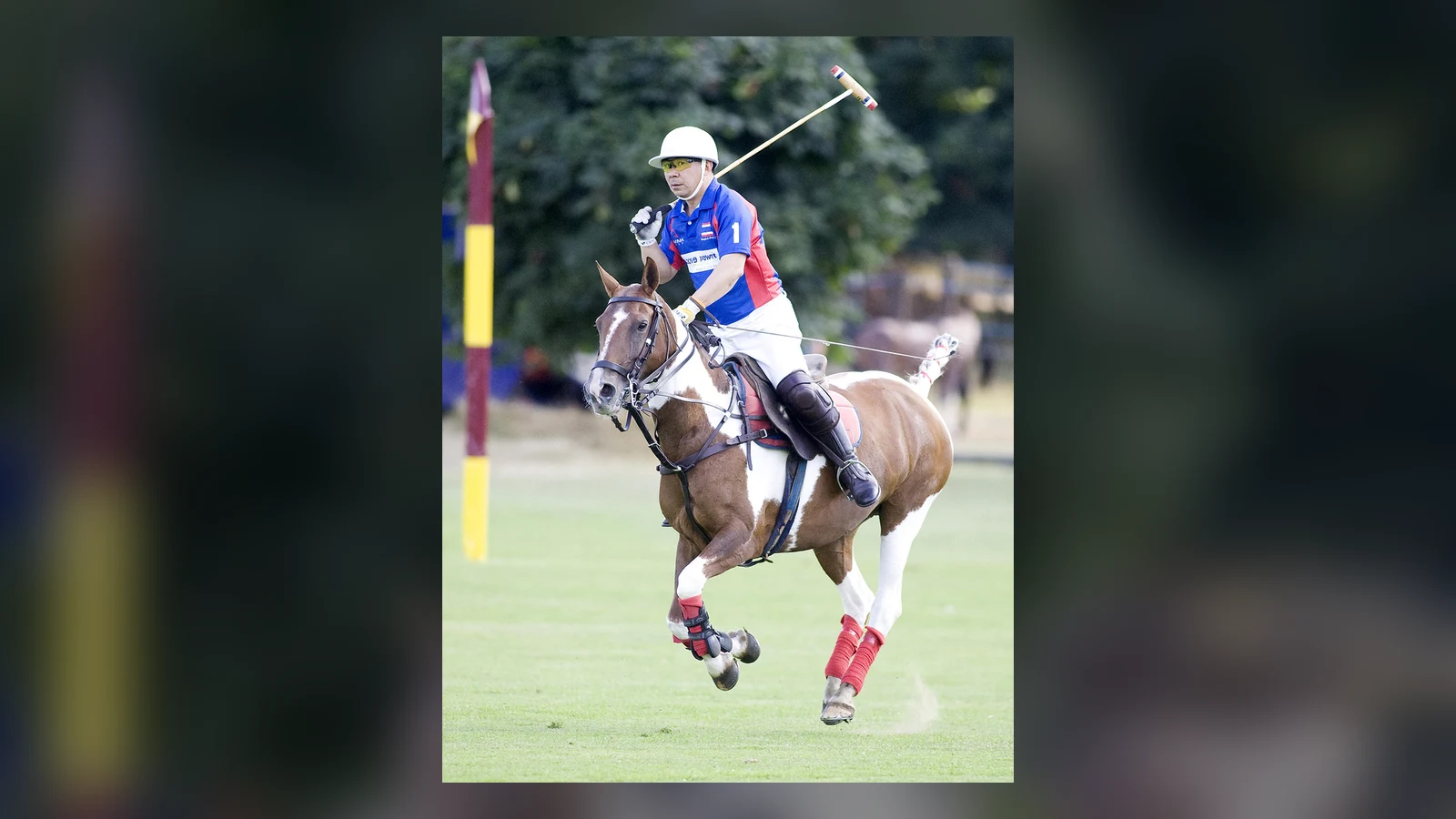
Vichai Srivaddhanaprabha was more than Leicester City’s owner. Under him, the club completed one of sport’s greatest underdog stories by winning the 2015–16 Premier League title. Fans also knew him for gifts, charity support, and the feeling that he had joined the city’s family.
After a home match in October 2018, Vichai’s helicopter lifted from the center of the pitch, as it had many times before. But at about 250 feet, the aircraft began to spin to the right even as pilot Eric Swaffer made corrective control inputs. The helicopter rose a little higher, then descended beside the stadium.
Vichai, staff members Nusara Suknamai and Kaveporn Punpare, Swaffer, and Swaffer’s partner, Izabela Roza Lechowicz, were killed. The scene unfolded close enough that fans, stadium staff, and police officers rushed toward it.
Years of technical work revealed the hidden cause. The AAIB found that a bearing in the tail-rotor control system seized. That began a chain of failures that made control of the tail rotor impossible. The report led to service bulletins, airworthiness directives, and eight safety recommendations.
It feels like the climax because it happened at the heart of a club Vichai had transformed. But the final story reached even further—across basketball, families, and an entire city.
#1: Kobe Bryant, Gianna, and seven others — the flight that felt impossible
January 26, 2020 • Calabasas, California • 9 people killed

Kobe Bryant had been retired from the NBA for nearly four years, but his second act was already taking shape. He was writing, coaching, investing, and sharing basketball with his 13-year-old daughter, Gianna. On a Sunday morning, they boarded a helicopter with six friends and teammates and pilot Ara Zobayan. They were headed to a youth basketball game.
Low clouds covered parts of the route. The helicopter flew under visual flight rules, following highways through the Los Angeles area. Near Calabasas, the pilot told air traffic control that he was climbing above the cloud layer. The aircraft climbed, tightened into a left turn, and then began a rapid descent.
Kobe, Gianna, John and Keri Altobelli, their daughter Alyssa, Sarah and Payton Chester, coach Christina Mauser, and Zobayan were killed.
The NTSB concluded that the pilot’s decision to continue into instrument weather led to spatial disorientation and loss of control. Investigators also cited likely self-induced pressure, plan-continuation bias, and weak safety oversight by the operator. Their recommendations focused on better scenario training, stronger safety systems, and flight-data monitoring.
The news traveled far beyond basketball because the loss was not one famous athlete alone. It was nine people. It was parents and children, teammates and friends, all headed toward an ordinary Sunday game. That is why the story still feels unreal—and why every name deserves to be remembered.
What the investigations leave behind
No report can make these losses feel fair. But official investigations can turn evidence into safer designs, better training, tighter maintenance, and warnings that may protect the next flight. Remembering the people and learning the real chain of events is more meaningful than replaying the wreckage.
Primary sources: NTSB final reports for Troy Gentry’s flight, the Stevie Ray Vaughan crash, and the Calabasas crash; UK AAIB reports for Colin McRae’s crash and the Leicester City crash. Checked September 16, 2026.