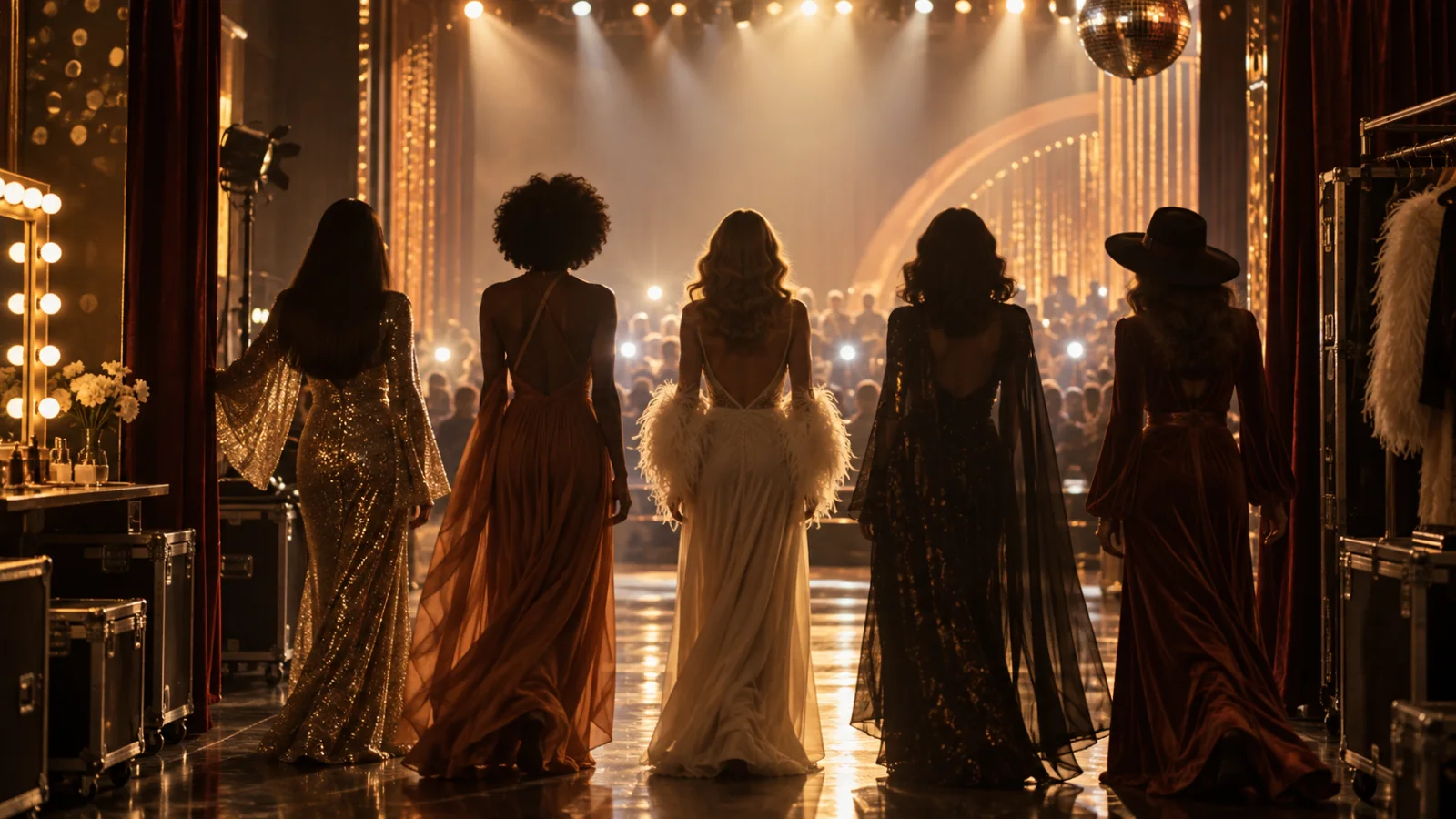
The 1970s did not have one definition of beauty. The decade celebrated disco glamour, natural confidence, television polish, athletic energy and the kind of presence that could turn a single photograph into a cultural memory.
Farrah Fawcett is often the first name people expect to see at the top of a list like this. Her hair alone became a phenomenon. But when style, screen presence and lasting influence are considered together, another star takes our No. 1 spot.
This countdown is an editorial opinion, not a scientific verdict. Beauty is personal. We are celebrating five women whose distinctive looks and charisma helped shape the visual language of the decade—and saving every portrait until its reveal.
Start with No. 5, then make your own prediction before the final entry appears.
#5 — Diana Ross

Diana Ross made glamour look effortless. Her beauty was not built around one hairstyle or one fashion moment; it lived in the total presentation—the expressive eyes, radiant smile, poised movement and unmistakable confidence.
After leading the Supremes through the 1960s, Ross entered the new decade as a solo force. Her performance in Lady Sings the Blues earned an Academy Award nomination, proving that the elegance audiences saw onstage could carry a dramatic film as well.
What keeps her image so fresh is its range. She could move from soft and natural to full disco spectacle without losing the person at the center of it. The clothes were memorable, but the charisma wore them.
#4 — Jaclyn Smith

Jaclyn Smith brought a quieter kind of magnetism to 1970s television. As Kelly Garrett on Charlie’s Angels, she stood beside two other instant style icons and still created a look that was entirely her own.
Smith’s appeal came from balance: polished without seeming distant, glamorous without looking overworked. Her dark hair, composed expression and classic wardrobe offered a sophisticated counterpoint to the decade’s louder trends.
She was the only original Angel to remain through the show’s five-season network run. That longevity mattered. Week after week, audiences saw a version of beauty rooted as much in warmth and self-possession as in fashion.
#3 — Raquel Welch

Raquel Welch entered the 1970s already famous, but the decade confirmed that she was far more durable than a single poster or costume. Her beauty had force behind it: sculpted features, fearless eye contact and a self-assurance that made the camera feel like an equal partner.
The fur-bikini image from 1966’s One Million Years B.C. made her an international symbol, yet Welch spent the following years taking control of how that image evolved. By the late 1970s she could appear in a simple portrait and still command the entire frame.
That is her place in this countdown. Welch did not merely fit the era’s idea of glamour—she projected a confidence that helped define it.
#2 — Farrah Fawcett

Farrah Fawcett may be the purest visual shorthand for 1970s beauty. The feathered hair, bright smile and easy athletic energy seemed to capture a decade moving away from stiff formality and toward something sunnier and more natural.
Her 1976 red-swimsuit poster became one of the era’s defining images, while Charlie’s Angels turned her into a television phenomenon. Countless people copied the hair. Far fewer could reproduce the openness and motion that made the whole look work.
Putting Fawcett at No. 2 is not a dismissal—it is the closest possible finish. She may have owned the decade’s most imitated look. Our final choice, however, combined beauty with a heroic presence that felt almost larger than the screen.
#1 — Lynda Carter
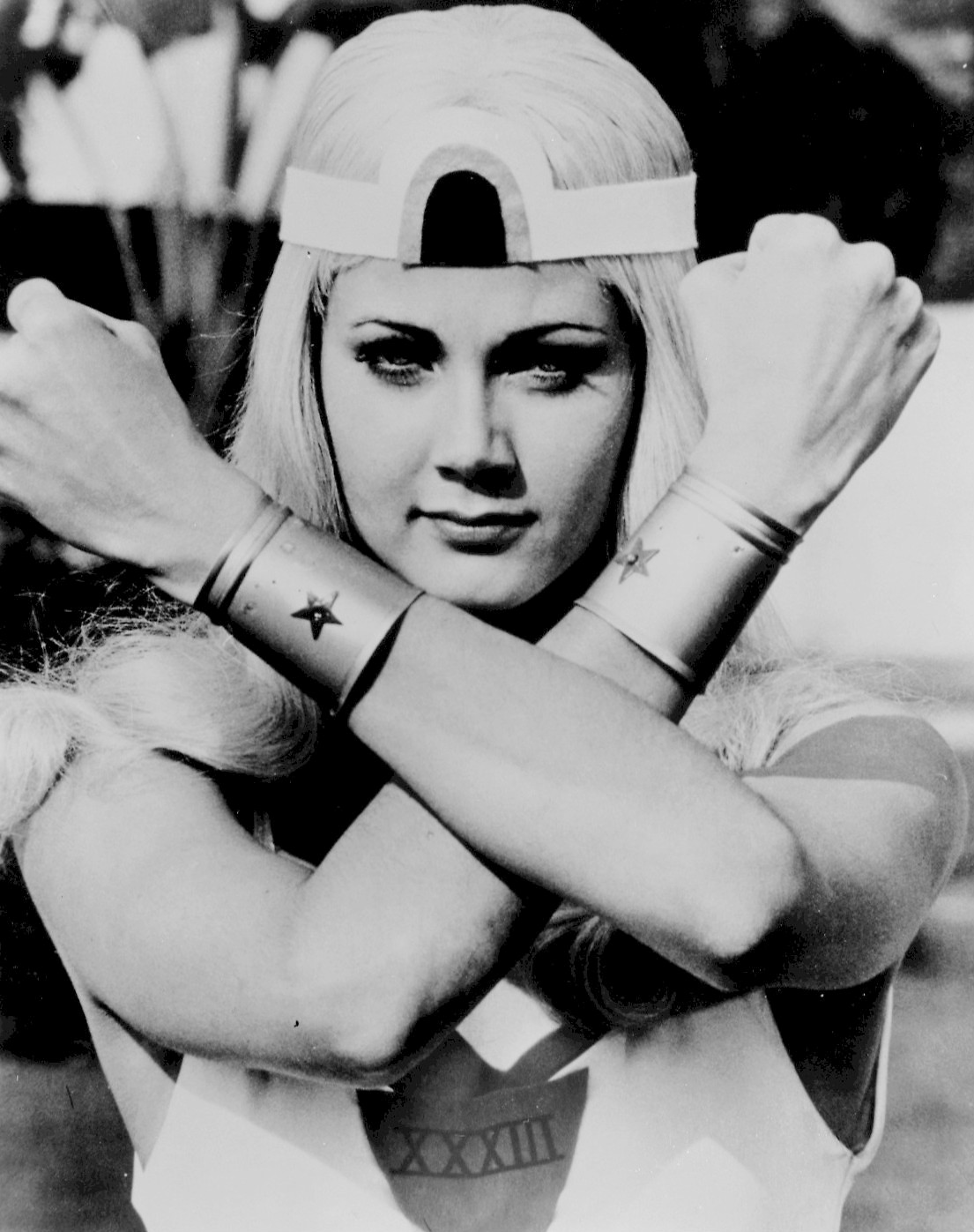
Lynda Carter takes the top spot because her beauty carried something beyond glamour: presence. She could appear regal and approachable in the same moment, with expressive blue eyes, dark flowing hair and a smile that softened the power of the image without reducing it.
Carter won Miss World USA in 1972, but it was Wonder Woman that made her one of the decade’s enduring faces. The role demanded poise, physical confidence and sincerity. Carter supplied all three, turning a comic-book icon into a believable person rather than a costume.
That balance is why her image still works. She was glamorous enough for fantasy, warm enough for television and distinctive enough that no trend could fully explain her. Farrah Fawcett may have had the decade’s most copied look; Lynda Carter had the look that felt timeless.
For this subjective countdown, that earns her No. 1.
The complete ranking
- Diana Ross
- Jaclyn Smith
- Raquel Welch
- Farrah Fawcett
- Lynda Carter
Why this list still starts arguments
The decade produced more icons than five places can hold. Cheryl Tiegs, Lauren Hutton, Pam Grier, Jane Seymour, Bo Derek and many others could anchor a completely different—and equally defensible—countdown.
That is part of the fun. The most memorable 1970s stars did not all chase the same ideal. Each made individuality the point.
Would Lynda Carter take your No. 1 spot, or would you put someone else at the top?
This ranking is a subjective editorial celebration of style, screen presence and cultural influence. It is not an objective measure of anyone’s appearance or worth.