
Cristiano Ronaldo made an estimated $300 million in the past year. He has earned more than $2 billion across his career. And in 2026, Forbes officially estimated his fortune at $1.2 billion.
So he must be the richest athlete in the world, right?
Not quite. In fact, he does not even crack this top five.
That is because annual earnings and net worth measure two very different things. A giant salary can make an athlete rich, but the fortunes at the top of this list were built through equity, ownership, endorsements and investments that kept growing long after the final whistle.
For this ranking, we sorted Forbes’ current net-worth estimates for living professional athletes and former pros. The figures were checked in September 2026 and can change with markets, private-company valuations and new deals.
Ronaldo’s $1.2 billion fortune puts him just outside this group. But the person at No. 2 may be the name that truly catches readers off guard.
#5 — LeBron James: $1.4 billion

LeBron James has earned more than most athletes could imagine on the court—and even more away from it.
Forbes estimates that James has collected upwards of $500 million in pretax NBA salary. Yet his off-court earnings from endorsements and businesses have surpassed $1 billion, according to the publication.
The important difference is how he approached those partnerships. James did not always settle for an endorsement check. He took equity in companies he worked with, including Beats by Dre, giving him a chance to benefit when the businesses themselves became more valuable.
That strategy helped James become the first active NBA player to reach billionaire status. His portfolio has also expanded into entertainment, food and beverage brands, real estate and a stake in Fenway Sports Group, whose holdings include the Boston Red Sox and Liverpool FC.
The lesson is simple: LeBron’s basketball talent created the opportunity, but ownership multiplied it.
#4 — Tiger Woods: $1.5 billion
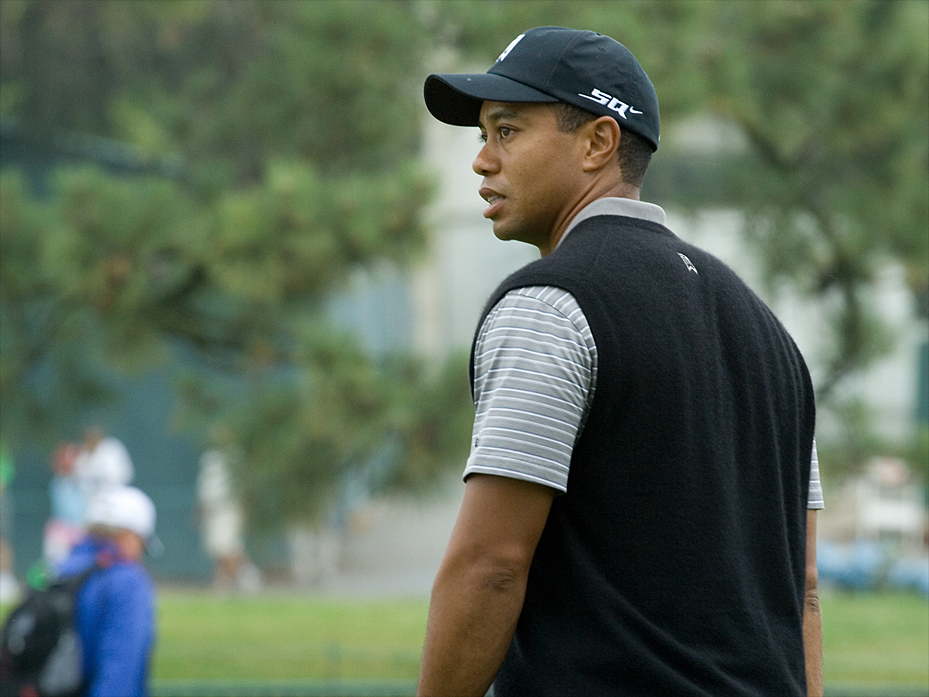
Tiger Woods earned a record-setting amount on the golf course. Still, tournament checks account for only a small slice of his wealth.
Forbes says Woods has earned nearly $2 billion pretax during his professional career. His PGA Tour prize money totaled about $121 million—an extraordinary figure that is nevertheless dwarfed by decades of sponsorship and business income.
At his peak, Woods was not merely golf’s biggest star. He was one of the most valuable endorsers in sports, building long-running relationships with major global companies.
He then extended his career into businesses connected to the sport: golf-course design, the PopStroke mini-golf chain and TMRW Sports, the venture he cofounded with Rory McIlroy that launched the tech-driven TGL golf league. Forbes also lists luxury real estate among his investments.
Woods even reached billionaire status after reportedly turning down a LIV Golf offer described as being in the high nine figures. That makes his place here all the more remarkable.
#3 — Magic Johnson: $1.6 billion

Magic Johnson’s story may be the clearest example of why playing salary is only the beginning.
Forbes reports that Johnson earned roughly $40 million total as a Los Angeles Lakers player. During his peak, his annual endorsement income was estimated at only $2 million to $4 million—excellent money, but nowhere close to the deals available to today’s biggest stars.
Then Johnson built a second career.
He invested through partnerships involving movie theaters, Starbucks locations, real estate and healthcare. The largest piece of his fortune now comes from his roughly 60% stake in life insurer EquiTrust, according to Forbes. The company’s assets under management grew from about $16 billion when he became involved in 2015 to approximately $33 billion.
Johnson also owns stakes in the Los Angeles Dodgers, Washington Commanders, Los Angeles Sparks and LAFC.
There is an ironic twist. Before entering the NBA, Johnson reportedly declined an offer involving Nike stock and royalties in favor of a cash deal with Converse. Whatever that missed opportunity might have become, he clearly absorbed the larger lesson: a piece of the business can ultimately be worth far more than a paycheck.
#2 — Ion Țiriac: $2.3 billion

This is the surprise that changes the original ranking.
Ion Țiriac is not as internationally famous today as Ronaldo, James or Jordan, but he has one of the most unusual careers in sports and business. The Romanian represented his country in ice hockey at the 1964 Winter Olympics, later became a professional tennis player and reached three Davis Cup finals. He also won a Grand Slam doubles title with Ilie Năstase.
After retiring from tennis in the 1970s, Țiriac coached and managed stars including Boris Becker, Guillermo Vilas and Marat Safin. His greatest financial success, however, came after the fall of communism in Romania, when he built the Țiriac Group.
The company developed interests across banking, insurance, automobiles, real estate and other industries. Forbes now estimates Țiriac’s personal fortune at $2.3 billion, making him one of the richest former professional athletes alive.
His presence also explains why “highest-paid athlete” and “richest athlete” should never be treated as the same title. Ronaldo earned far more from sports, endorsements and fame. Țiriac accumulated more net wealth through decades of business ownership.
And even his fortune is only a little more than half of No. 1’s.
#1 — Michael Jordan: $4.3 billion

Michael Jordan sits at the top—and it is not close.
Forbes currently estimates Jordan’s net worth at $4.3 billion, roughly $2 billion more than Țiriac and nearly three times Tiger Woods’ fortune.
The most surprising part is how little of that wealth came from NBA paychecks. Jordan earned about $90 million in salary during his playing career. That is a fortune, but it is tiny compared with what his name, equity and business relationships later produced.
Jordan’s defining financial partnership began with Nike in 1984. Forbes says his first contract paid about $500,000 annually plus royalties. Today, the publication estimates that Nike pays him nearly $300 million per year.
Over time, Air Jordan grew beyond a signature shoe into a global business. Forbes estimates that Jordan has earned $2.4 billion pretax from corporate partners including Nike, Hanes and Gatorade.
Then came team ownership. Jordan acquired control of the Charlotte Hornets and sold his majority stake in 2023 in a deal that valued the franchise at approximately $3 billion, while reportedly retaining a minority interest. He has also invested in DraftKings and became a NASCAR team co-owner.
That combination—royalties, a durable personal brand and ownership in appreciating assets—put him in another financial league.
More than two decades after his final NBA game, Michael Jordan is still winning. This time, the scoreboard reads $4.3 billion.
Why Ronaldo misses the top five
Ronaldo remains a financial phenomenon. Forbes estimates he is worth $1.2 billion, earns more than $200 million annually from Al-Nassr and collected approximately $300 million over the most recent 12-month period. He is also the first active athlete to exceed $2 billion in career earnings before taxes and agents’ fees.
But much of that income is comparatively recent, and career earnings are not the same as accumulated net worth. The athletes above him benefited from decades of investment growth, business stakes, royalties or major ownership exits.
Ronaldo may yet climb the ranking. He has already begun moving toward ownership and continues to operate one of the most powerful personal brands in sports. For now, however, the top spot belongs to Jordan.
The real billionaire playbook
The pattern behind these fortunes is remarkably consistent:
- Performance created fame.
- Endorsements created cash.
- Equity and ownership created lasting wealth.
That is why the athlete with the highest salary is not necessarily the athlete with the highest net worth—and why Michael Jordan can remain No. 1 so long after retirement.
Did you expect Jordan to lead by this much—or was Ion Țiriac the biggest surprise?
Net-worth figures are estimates, not audited financial statements. Values can change with public markets, private-company valuations, currencies, transactions and new information. Estimates in this article were checked against Forbes profiles in September 2026.